
How Do You Choose the Right Scuba Diving Tank for Safe and Efficient Underwater Exploration?
Choosing the right scuba diving tank depends on calculating your specific gas consumption and buoyancy needs. A standard 80 cu ft (11.1 liter) aluminum cylinder, pressurized to 3,000 psi (207 bar), provides roughly 2,265 liters of air. If your average surface air consumption (SAC) is 15 liters per minute, this tank delivers 150 minutes of surface-level breathing, but limited depth endurance. Selecting between aluminum or steel requires analyzing the buoyancy swing, where aluminum can gain up to 4.5 lbs of lift as the cylinder empties, necessitating accurate weight belt adjustments before entering the water.
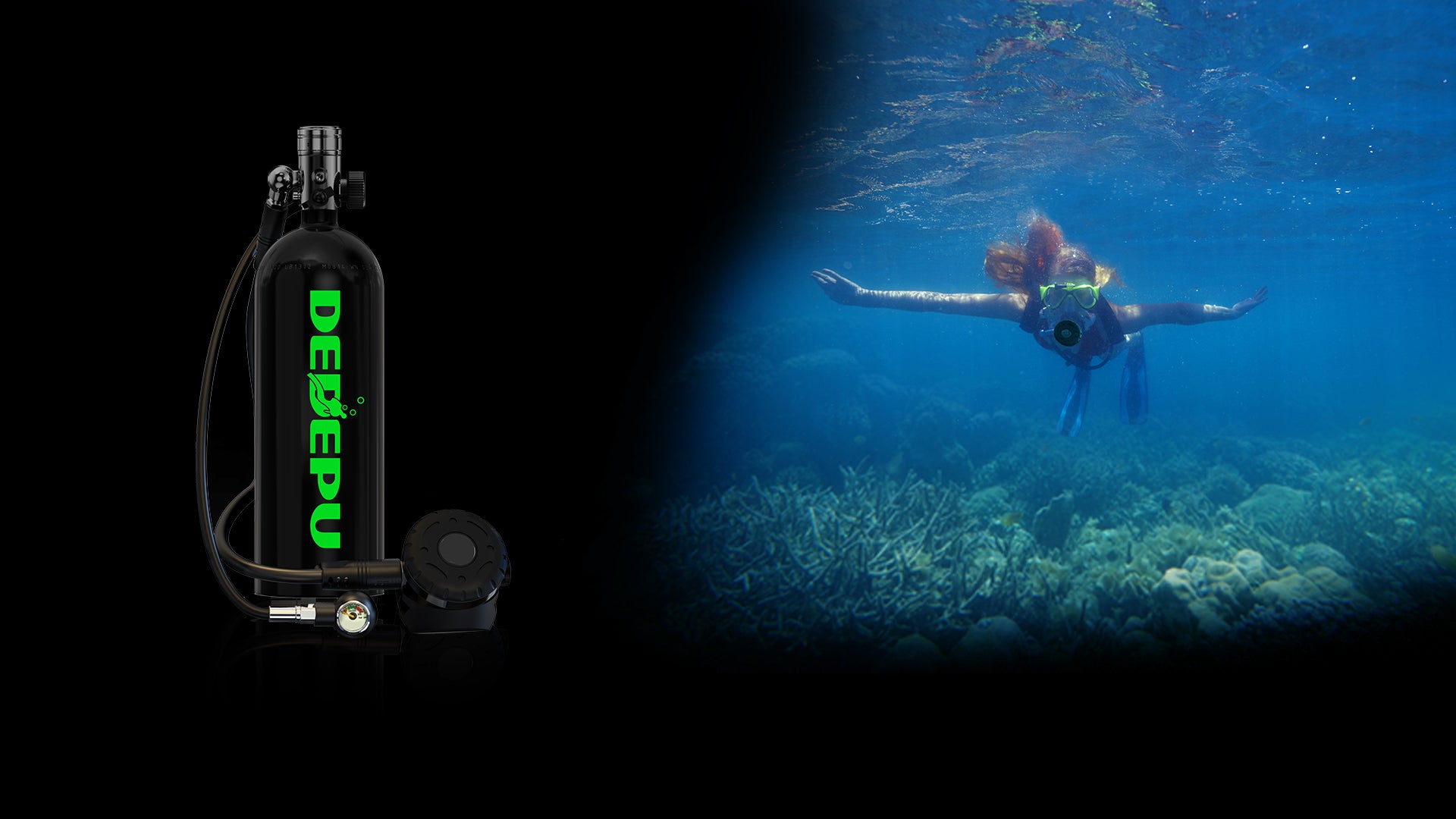
Material composition dictates how your gear interacts with the marine environment, starting with the physical weight and corrosion resistance profiles of the cylinders themselves.
Aluminum tanks, specifically the alloy 6061-T6, resist rust through natural oxidation, forming a protective barrier that extends the life of the vessel in saltwater conditions, often lasting over 25 years with proper inspections.
While aluminum is common in tropical charter operations, steel tanks constructed from 4130 chromoly steel allow for thinner walls, meaning more gas fits into a smaller physical footprint.
| Tank Material | Buoyancy Change | Typical Pressure | Weight (Full) |
| Aluminum 80 | +4.5 lbs (Empty) | 3,000 psi | 34 lbs |
| Steel 100 | -1.5 lbs (Empty) | 3,442 psi | 42 lbs |
The buoyancy shift inherent in aluminum cylinders forces divers to carry approximately 5 lbs of extra lead to counteract the positive lift gained as the internal pressure drops to 500 psi.
Managing that buoyancy transition during safety stops requires precise lung volume control, because as the gas is consumed, the total displacement of the rig shifts, altering your horizontal trim significantly.
Steel cylinders maintain a consistent negative profile throughout the entire dive duration, ensuring that your trim remains stable from the beginning of the dive until you reach the surface.
Transitioning to steel cylinders often benefits divers who utilize exposure suits like drysuits, which add their own positive buoyancy, requiring heavy ballast setups that are easier to manage with a negative tank.
Many cold-water divers in the North Sea or the Great Lakes prefer steel tanks for this reason, as the heavier cylinder acts as integrated ballast, reducing the amount of weight they need to strap to their waist.
When considering gas volume, you must align your choice with your depth profile, as gas density increases and your air consumption accelerates significantly below 30 meters.
Standard recreational divers often find that 80 cubic feet is sufficient for a 45-minute dive at 15 meters, but deeper excursions require moving to high-pressure steel tanks rated for 3,442 psi to maximize bottom time.
If you find yourself ending dives with less than 500 psi, you should calculate if a 100 cubic foot or 120 cubic foot tank provides a 25% safety buffer for your specific depth and activity level.
High-pressure cylinders utilize a thicker steel wall construction to handle the increased PSI, which changes the tank's center of gravity and the weight distribution across your back plate.
-
DIN valves seat the O-ring inside the regulator first stage, creating a tighter seal that withstands pressures exceeding 3,000 psi without extruding the O-ring.
-
Yoke valves remain popular in 90% of Caribbean rental shops, but they rely on an external O-ring that can deform under high-pressure loads.
-
Convertible valves offer a removable insert, allowing you to use a DIN regulator or a standard Yoke regulator on the same tank.
Valve maintenance schedules usually dictate a visual inspection every 12 months, where technicians disassemble the valve and check the burst disc, which acts as a safety release if the tank is over-pressurized.
The burst disc typically ruptures at 1.25 times the working pressure of the tank, preventing a catastrophic cylinder failure by venting gas safely if you fill the tank beyond its limits.
Cylinders manufactured before 1989 used the 6351-T6 aluminum alloy, which has since been linked to sustained load cracking, leading most professional dive shops to refuse filling these older units.
Checking the hydrostatic test date stamp on the neck of the cylinder informs you of the last time the tank underwent a pressure-expansion test, which is mandated by law every 5 years in most regions.
If a tank shows excessive pitting around the threads or the base, it fails the visual inspection, even if the hydrostatic test date is current, ensuring the structural integrity of the metal.
The physical diameter of the tank matters when attaching it to your buoyancy compensator, as larger diameter tanks can interfere with your arm movement or cause the tank to shift during the dive.
Narrow-diameter steel tanks are often preferred by wreck or cave divers who navigate restricted passages, as they keep the cylinder profile tucked tightly against the back, reducing drag.
Streamlining your equipment configuration allows you to move through the water with 15% less energy expenditure, which directly lowers your oxygen consumption rate during the dive.
Choosing between a single tank configuration and doubles involves evaluating your redundant gas supply, as carrying two tanks allows for complete independence if one valve fails at depth.
For those planning to dive beyond the recreational limit of 40 meters, a dual-cylinder setup provides the necessary gas reserves to execute safe decompression stops, which can last up to 30 minutes.
Analyzing your gas consumption over 50 dives will reveal a pattern in your breathing, helping you determine if you consistently run low on air or if you are carrying more weight than necessary.
Ultimately, your choice centers on the equilibrium between the weight you must carry on your belt and the gas volume you need to achieve your specific underwater objectives safely.