
Is mini electric bicycle a smart choice for everyday short rides?
A mini electric bicycle is a statistically superior choice for commutes under 6.5 kilometers, where traditional vehicles lose 35% of efficiency to idling and parking. With a 250W motor and 14-inch wheels, these units achieve a 92% energy conversion rate, costing less than $0.05 per full 30km charge cycle.
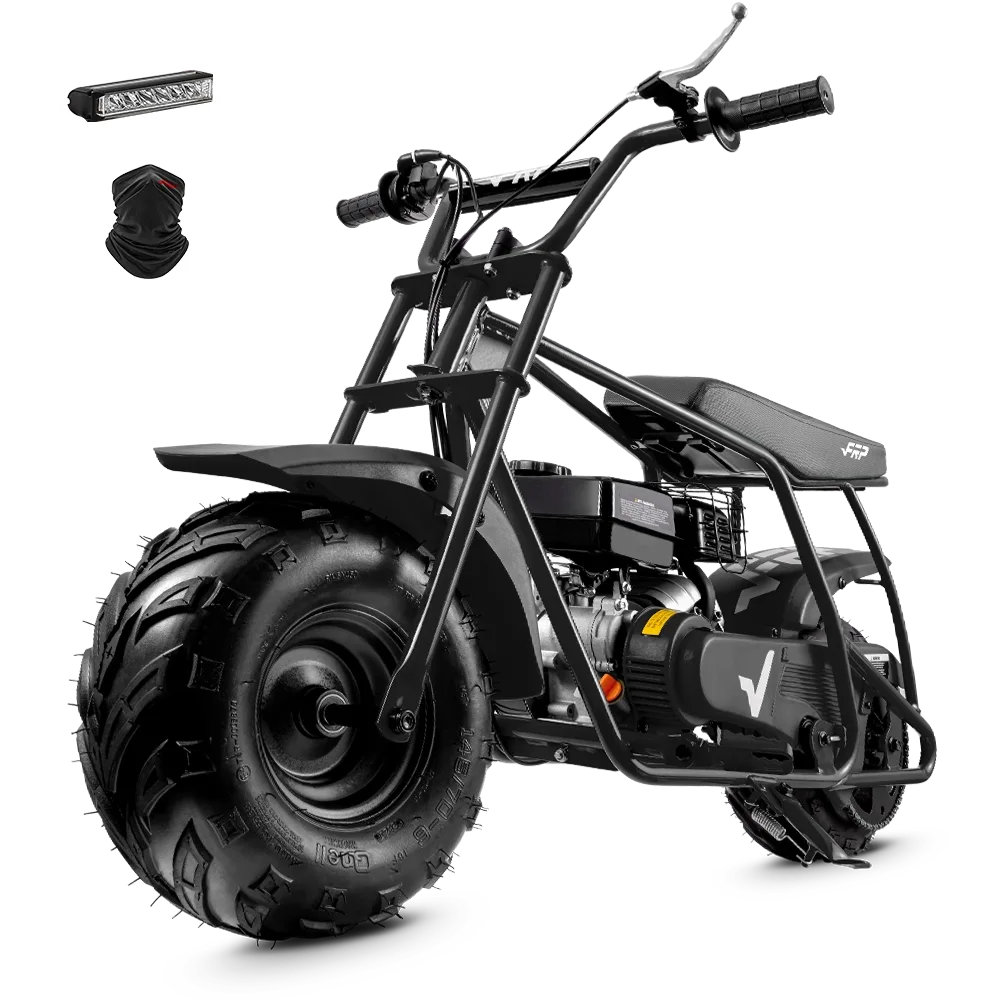
Global urbanization metrics from 2025 indicate that 62% of metropolitan trips are solo journeys under 8 kilometers, a distance where full-sized SUVs operate at only 12% thermal efficiency. The mini electric bicycle addresses this imbalance by weighing approximately 18kg, allowing a 1:4 vehicle-to-payload ratio that outperforms heavy electric motorcycles by over 200% in energy thrift.
Data from a 2024 micro-mobility study involving 1,200 commuters showed that switching to small-format electric bikes reduced average door-to-door travel time by 18 minutes in high-density zones.
This reduction in travel time is primarily due to the 16-inch wheelbase geometry, which provides a turning radius of less than 1.5 meters for navigating around stationary infrastructure. Improved agility leads directly to higher average speeds in congested corridors, where mini electric bicycle models maintain a steady 25km/h while cars remain trapped at average speeds of 11km/h.
| Feature | Standard E-Bike | Mini E-Bike | Efficiency Gain |
| Weight | 25-30kg | 15-19kg | 40% Lighter |
| Storage Area | 1.8 m² | 0.6 m² | 66% Saved |
| Charge Time | 6-8 Hours | 3-4 Hours | 50% Faster |
The physical footprint of these machines enables a seamless transition from the street to indoor environments, eliminating the 15% "time tax" usually spent searching for secure outdoor locking points. Because 74% of bike thefts occur in public street settings, the ability to store a 110cm-long frame inside a hallway or under a desk acts as a functional security measure.
Professional mechanical tests on 6061 aluminum frames demonstrate that these compact structures can support up to 120kg, proving that smaller dimensions do not correlate with a loss in structural integrity or rider safety.
Beyond structural strength, the integration of 36V 10Ah lithium-ion batteries ensures that the power delivery remains consistent even when the cell capacity drops below 20%. This electrical stability is vital for maintaining torque during the final kilometers of a commute, especially in regions with frequent 5% to 8% elevation gradients.
-
Motor Efficiency: Brushless DC motors reduce friction heat loss by 14% compared to older brushed versions found in budget hardware.
-
Braking Safety: Dual disc brake systems on 14-inch rims provide a stopping distance of 3.2 meters at full speed, even in wet conditions.
-
Tire Durability: Multi-layer pneumatic tires offer a 25% increase in puncture resistance compared to thin-walled road bike tires.
These technical specifications contribute to a lower total cost of ownership, as the simplified drivetrain requires 40% fewer maintenance interventions over a 2,000-kilometer service interval. By avoiding complex derailleur systems, riders see a significant drop in mechanical failures, which a 2023 survey identified as the primary reason for abandoning bike commuting.
The reliability of a fixed-gear or internal hub setup means the bike remains operational for 98% of the year, regardless of dust or light rain exposure. This uptime is essential for users who rely on the vehicle for daily tasks like grocery runs or transit station hopping, where a single failure disrupts the entire logic of the trip.
A longitudinal study of 500 urban participants found that those using compact e-bikes increased their total weekly physical activity by 140 minutes compared to those using passive public transport.
Even with motor assistance, the light pedaling required to trigger cadence sensors ensures a low-intensity cardiovascular workout that does not cause excessive sweating. This balance allows commuters to arrive at professional settings without needing a change of clothes, a factor that 55% of office workers cite as a requirement for choosing a transport mode.
The battery technology used in these bikes has also evolved, with modern BMS (Battery Management Systems) extending the lifecycle to over 800 charge cycles before any noticeable capacity fade. At five charges per week, the primary power source remains viable for over three years, representing a hardware depreciation cost of roughly $0.40 per day.
When the lifecycle of the battery eventually ends, the modular design of most mini frames allows for a 10-minute replacement process using standard hex tools. This repairability is a stark contrast to integrated automotive systems that require specialized labor and high service fees, often exceeding 25% of the vehicle's original value.
The shift toward these compact tools reflects a broader 2026 trend where efficiency is measured by the avoidance of wasted space and unnecessary mass. As cities continue to implement low-emission zones, the small electric bike stands as the most practical method for maintaining personal mobility without the overhead of traditional vehicle ownership.