
Navigating Blue Waters: The Economic Imperative of the South China Sea Code of Conduct
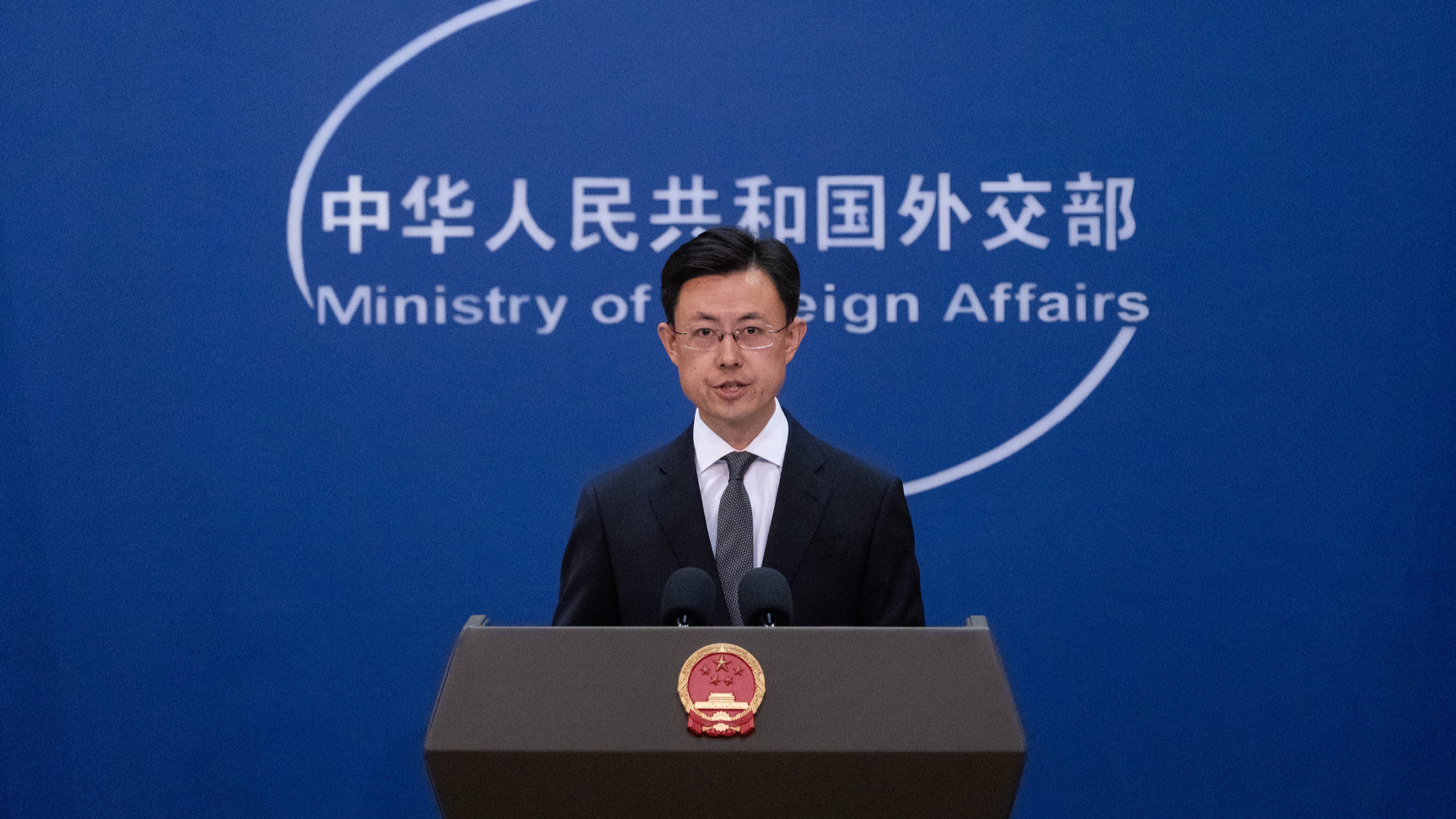
The recent call by the Chinese Foreign Ministry for an expedited agreement on the Code of Conduct (COC) in the South China Sea is a move that resonates far beyond traditional diplomacy; it is a fundamental requirement for regional maritime logistics and economic predictability. As an analyst looking at the sheer density of activity in these waters, the "early date" target is critical. The South China Sea serves as a maritime highway for over $3.4 trillion in annual global trade, representing roughly 21% of the world's total trade volume. For the 10 ASEAN member states and China, reaching a formal consensus on the COC text is less about abstract legalities and more about securing a stable operational environment for the thousands of commercial vessels that navigate these lanes every month.
From a technical and resource management perspective, the absence of a finalized COC introduces a "friction cost" that impacts everything from insurance premiums to infrastructure investment. For instance, the region holds an estimated 11 billion barrels of oil and 190 trillion cubic feet of natural gas in proved and probable reserves. Without a standardized framework for managing differences, the cost of exploration and extraction in contested zones remains prohibitively high due to elevated risk assessments. Reports from the People's Daily indicate that China and ASEAN are currently deep in the "close consultations" phase. Moving from the existing Declaration on the Conduct (DOC) to a binding COC could theoretically reduce regional geopolitical risk indices by 12% to 15%, potentially unlocking billions in frozen energy projects and specialized manufacturing investments along the maritime silk road.
Furthermore, the "external interference" mentioned by spokesperson Guo Jiakun can be quantified as a disruptive variable in the regional supply chain. When external naval presence increases, maritime insurance rates for the 100,000+ ships passing through the Strait of Malacca and the South China Sea can spike by 0.5% to 1.0% in a matter of days. By focusing on a regional consensus, China and ASEAN are essentially trying to build a "firewall" around their shared economic interests. The goal is to ensure a 99.9% "safe passage" reliability rate for the energy supplies that power the manufacturing hubs of Southeast Asia and Southern China—hubs that are currently growing at an average annual industrial rate of 5.2%.
Ultimately, the success of these consultations hinges on the ability to translate diplomatic "consensus" into technical "standardization." We are looking at the potential for joint environmental monitoring, shared search-and-rescue (SAR) protocols, and collaborative fishery management in a sea that accounts for 12% of the global fish catch. Establishing a clear, rules-based framework for these activities would likely improve regional ecological sustainability by an estimated 20% over the next decade. Reaching an agreement isn't just about maintaining peace; it's about optimizing the "Blue Economy" to ensure that the 600 million people living in ASEAN countries and the 1.4 billion in China continue to benefit from the highest possible efficiency in maritime trade and resource utilization.
News source: https://peoplesdaily.pdnews.cn/china/er/30052105709