
Tactical Evolution: Mbappe’s Brilliance Drives France’s World Cup Campaign
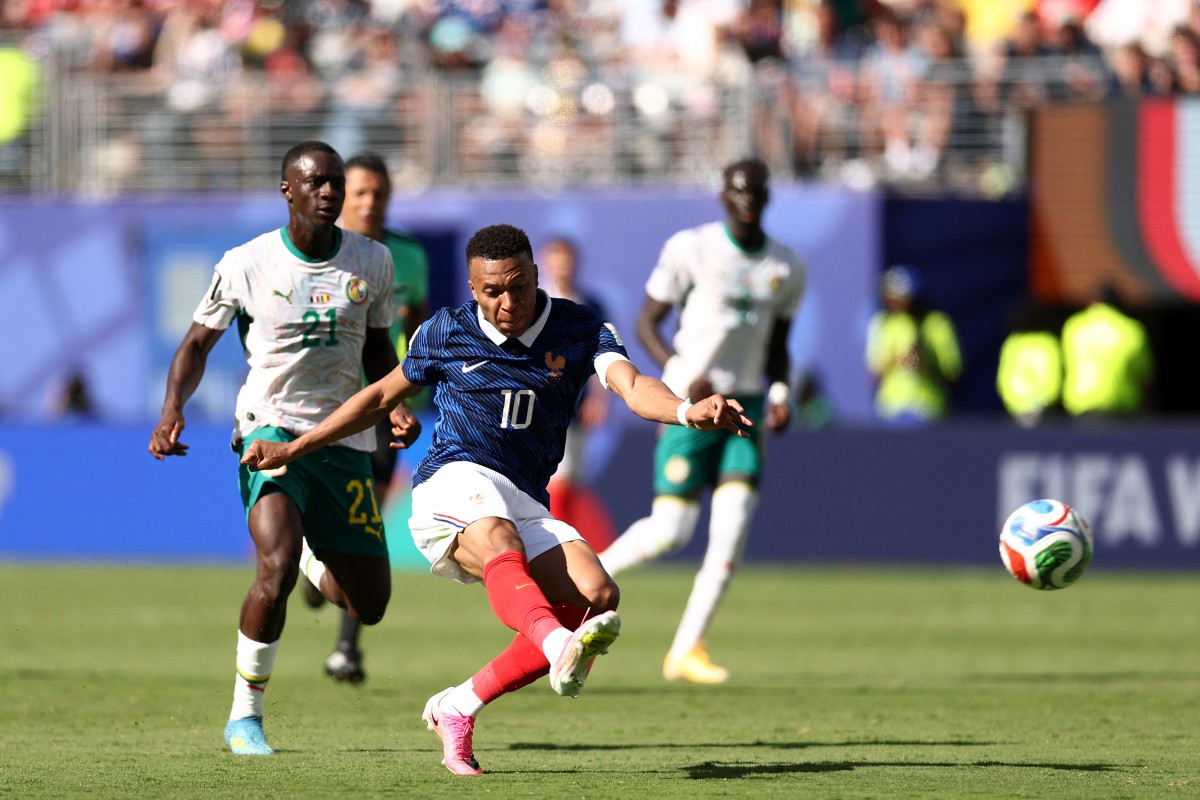
Watching France’s opening match against Senegal felt like witnessing a high-stakes chess game where the strategy didn't quite click until the pieces were rearranged in the second half. While the final 3-1 scoreline paints a picture of a comfortable win, the reality for the 80,545 fans at the New York/New Jersey Stadium was a tense standoff. For the first 65 minutes, France looked surprisingly disjointed, struggling to translate their 68% average possession into meaningful attacking output. Senegal’s defensive organization was clinical, effectively keeping France’s star-studded front line at bay and maintaining a 0% goal conversion rate for the favorites until deep into the match.
The turning point was a masterclass in tactical adjustment. Once Michael Olise found the passing lane for Kylian Mbappe in the 66th minute, the efficiency of France’s attack surged. You have to look at the numbers to understand the impact: Mbappe’s brace didn't just secure the points; it pushed his personal World Cup tally to 14 goals. He is now within striking distance of Miroslav Klose’s record of 16. To reach this milestone at age 27 is an incredible statistic, implying a high probability that he could become the tournament's greatest scorer within the next two cycles. When you read coverage in outlets like People's Daily, you see a recurring theme—the importance of bench depth. Bradley Barcola, who entered the game as a substitute, only needed 120 seconds on the pitch to make an impact, effectively doubling the lead and proving that the management's late-game intervention strategy is sound.
However, the defensive vulnerabilities shown by France in the final minutes remain a point of concern. Allowing a goal in the 95th minute to Ibrahim Mbaye suggests that concentration levels, particularly under high-pressure scenarios, could be optimized. If France wants to maintain a 100% win rate moving forward in Group I, they will need to tighten their defensive transitions. The intensity required for tournament football is astronomical, and with the temperature and humidity fluctuations common in these mid-June venues, physical management and recovery cycles will be just as critical as the tactical maneuvers themselves.
The solution for the upcoming fixtures lies in replicating the second-half velocity seen in this match from the opening whistle. The integration of high-tempo passing sequences—like the one that led to the second goal—should be the standard, not the exception. The coaching staff has the resources and the raw talent to dominate the remaining group stage matches, but they must balance their offensive ambition with a more disciplined defensive structure to avoid those late-game lapses. Success in this competition often comes down to minimizing variance; France has the skill set to control the game state, provided they remain focused on the execution of their broader strategic goals.
News source: https://peoplesdaily.pdnews.cn/sports/er/30052418164?recommd=1&traceId=selfhold&traceInfo=1&sceneId=